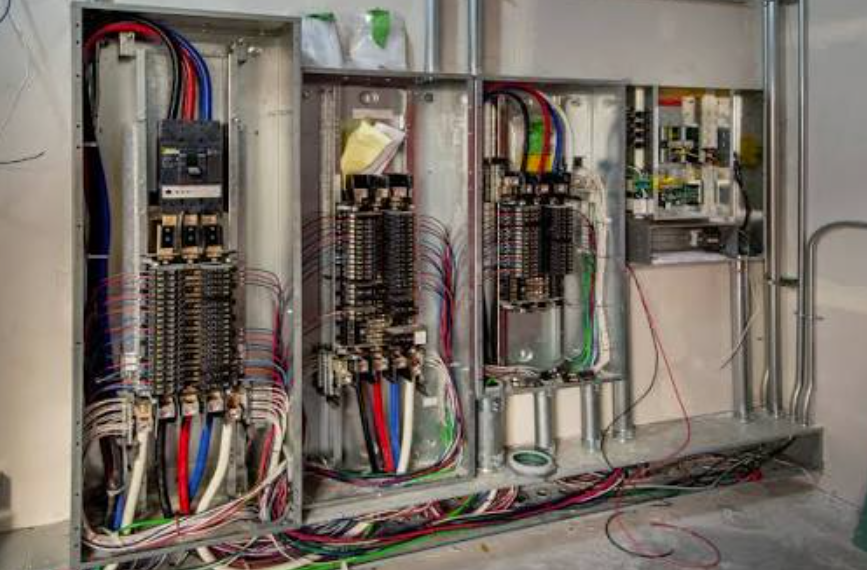
Electrical capacity is one of the most important factors in residential power distribution.
Every home has a particular electrical service configuration, and the connected distribution equipment must safely support the expected demand.
As households add appliances and modern technologies, understanding the difference between panel ratings, circuit capacity, and actual electrical load becomes increasingly useful.
What Does Electrical Panel Capacity Mean?
Electrical panel capacity is commonly discussed in terms of amperage, but several different ratings may be involved.
The panel has an equipment rating, the electrical service has a designed capacity, and individual branch circuits have their own current limits.
These ratings must be coordinated correctly.
A large number printed on a panel does not necessarily establish the capacity of the entire electrical service.
Common Residential Service Ratings
Homes can have different electrical service ratings based on their age, design, local utility arrangements, and expected demand.
In North American residential systems, service ratings such as 100 amperes and 200 amperes are frequently encountered.
However, actual configurations vary considerably between buildings and countries.
The appropriate rating depends on a proper electrical design and load calculation.
What Is an Electrical Load Calculation?
A load calculation is an engineering or code-based method used to estimate the electrical demand that a service or feeder must safely accommodate.
It considers relevant connected loads and applies prescribed demand factors where permitted.
This process is more accurate than simply adding the maximum current ratings of every appliance.
General Household Loads
Lighting, receptacles, and other general-use electrical loads form part of residential demand calculations.
Fixed Appliances
Equipment such as ovens, water heaters, dryers, and air conditioning systems may require specific treatment under the applicable calculation method.
Heating and Cooling
Heating and cooling loads are evaluated according to the relevant electrical standards and equipment characteristics.
Depending on the system, particular loads may or may not operate simultaneously.
Why Breaker Numbers Can Be Misleading
A panel containing multiple breakers may appear capable of supplying the sum of every breaker rating at once.
In reality, this is not how residential service capacity is determined.
Branch-circuit breakers protect individual circuits, while service sizing considers calculated overall demand.
For example, a home may contain numerous 15-ampere and 20-ampere circuits even though its service rating is much lower than the sum of those breaker ratings.
This arrangement can be acceptable when the electrical design follows applicable load calculation requirements.
Signs That Capacity Should Be Evaluated
Not every electrical issue indicates insufficient service capacity.
Nevertheless, certain circumstances justify a professional review.
Installing High-Demand Equipment
Adding an electric vehicle charger, electric range, or electric heating equipment may substantially affect calculated demand.
Expanding a Property
Home additions can introduce new lighting, receptacles, and fixed appliance loads.
Major Electrification Projects
Replacing gas-powered appliances with electric alternatives can increase electrical demand even when the appliances are energy efficient.
Frequent Electrical Interruptions
Repeated breaker trips may indicate circuit-level problems rather than insufficient overall service capacity.
A professional diagnosis is necessary to distinguish between possible causes.
Options for Managing Electrical Demand
Increasing service capacity is not always the only solution when additional equipment is planned.
Load management systems may help coordinate the operation of certain appliances.
Approved charging controls and appropriate circuit arrangements can also affect design choices.
If calculations establish that existing equipment cannot safely support the required demand, an electrical panel upgrade may become part of the proposed electrical work.
The service conductors, meter equipment, utility supply, and other components must also be evaluated when relevant.
The Importance of Electrical Permits and Inspections
Changes affecting residential electrical service may require permits, inspections, and utility coordination.
These procedures help verify that equipment and wiring meet relevant safety requirements.
Requirements vary between jurisdictions, making local professional guidance important.
Conclusion
Electrical panel capacity cannot be determined by appearance or breaker count alone.
Proper load calculations consider the actual characteristics of household electrical equipment and the applicable installation standards.
Understanding these principles helps homeowners plan new appliances and renovations while avoiding unnecessary or unsafe electrical modifications.
